


More Winnin’ at Dirty Linen
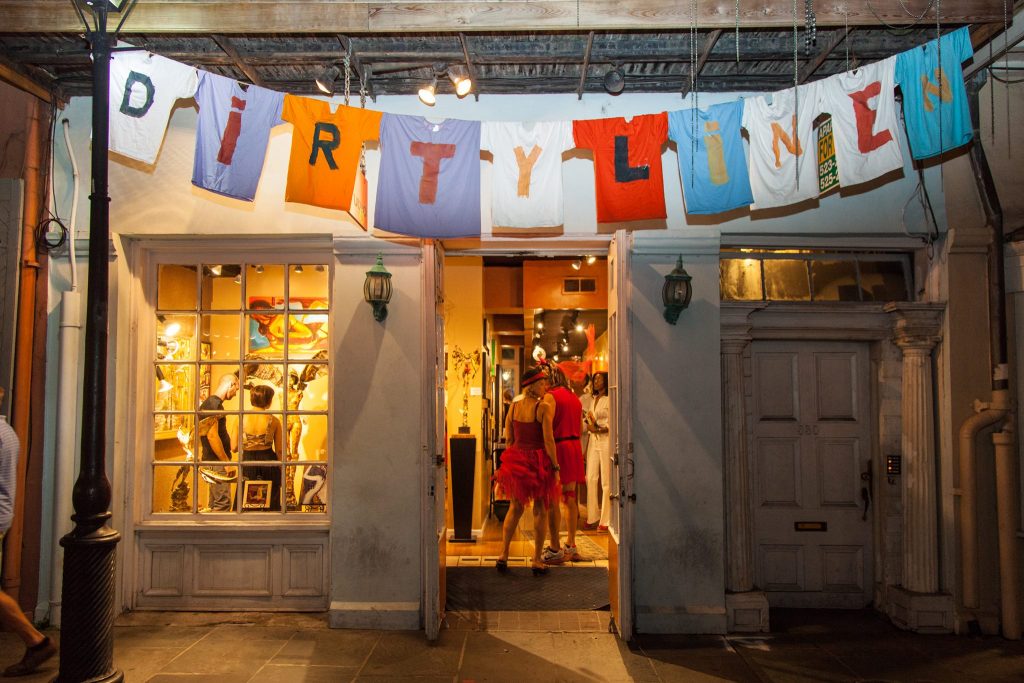
Image courtesy of Dirty Linen Night on Facebook
Every year, Dirty Linen Night invites New Orleanians and tourists alike to celebrate the city’s French Quarter art galleries and boutiques. The event follows the White Linen Night, usually held on the Saturday before. The Dirty Linen Night was originally conceived not to compete but as a way to encourage people to visit Royal Street and support local businesses.
This year’s event, the 23rd annual Dirty Linen Night, lasts from 6 to 9 p.m. (officially — the event generates its own momentum and tends to run a little late) and will be held on Saturday, August 8, 2026. The festivities will feature dozens of participating galleries and businesses, multiple blocks of pedestrian-friendly celebrations, buskers, delicious food, drink specials, and plenty of good times.
The bulk of the action will occur between the 300 and 1100 blocks of Royal Street. Dirty Linen is free and open to the public. You can also buy raffle tickets online to win artwork and gifts.
And, oh, make sure to wear unwashed white linen from the previous week — Dirty Linen is a continuation of the White Linen party, albeit one that is a little more raucous than the Julia Street event. We’re kidding, by the way — while you’re encouraged to wear last week’s linen, any kind of flowy, comfortable summer clothes will do.
The Galleries and Businesses
It’s impossible to describe every participating gallery and shop in a short article (here’s the full list), but here are some of the highlights. French Quarter art galleries regularly provide discounts on Dirty Linen Night.
Gallery Rinard
611 Royal St.
Owned and operated by the artist Matt Rinard, this gallery features the work of many of the area’s renowned painters and sculptors, with a focus on whimsy and humor rather than what we think of as classic Southern art.
Rodrigue Studios
730 Royal St.
George Rodrigue (1944-2013), a native son of South Louisiana, was best known as the creator of the “Blue Dog,” perhaps the most recognizable symbol of Louisiana contemporary art. The dog, with its soulful yellow eyes, was first painted in 1984 for Bayou, a selection of Louisiana ghost stories released in conjunction with the 1984 World’s Fair, held in New Orleans.
Rodrigue decided to paint a version of the Cajun loup garou, or werewolf, and in so doing created the ghostly visage of the Blue Dog. At once approachable, mysterious and riotously colorful, the Blue Dog would go on to become, in the eyes of the public, a stand-in for Cajun culture and Louisiana as a whole and the vehicle for Rodrigue’s considerable commercial success.
Frank Relle Photography
910 Royal St.
One of the city’s most famous photographers, Frank Relle has made a career out of his love of New Orleans architecture, history, and light — or lack thereof, in the last case. Confused? Relle is best known for taking shots of New Orleans homes, buildings and street scenes late at night, using long exposures to create a singularly eerie (yet also oddly comforting, and always beautiful) micro genre of fine art photography.
Scene by Rhys
708 Toulouse St.
Located in a courtyard, this gallery is a fine base for local artist and all-around character Emile Rhys. A supremely talented artist, Rhys is best known for her fine art ink and pen drawings of the city’s local musicians. Her work, which synthesizes two great elements of New Orleans creativity — the sonic world of music and the frenetic energy of her visual art — is unique and singularly worthy of souvenir consideration.
Where to Eat
Many of New Orleans’ classic restaurants like Antoine’s, Galatoire’s, Mr. B’s Bistro, and Arnaud’s are within walking distance of the participating galleries. Here are some other spots outside of the pantheon of classic Creole institutions that you would want to sample.
Bayona
430 Dauphine St.
Chef Susan Spicer’s restaurant features daily specials and a creative mix of foods influenced by cuisine from around the globe. Try the veal sweetbreads with sherry-mustard butter.
Bennachin
1212 Royal St.
You might have tried Bennachin’s legendary mburu akara (black-eyed pea fritters and tomato stew on French bread) and jama jama ni makondo (sautéed spinach, fried plantains and coconut rice) at Jazz Fest, where the longtime spot for African fare has a perennial presence. The food tastes even better when consumed in the cozy, colorful French Quarter destination. Bonus: A BYOB policy makes Bennachin an excellent place to affordably wine and dine.
Cafe Amelie
900 Royal St.
The elegant courtyard and delicious modern Louisiana fare at Cafe Amelie are all part of a package that is equally as romantic and heart-stopping.
Napoleon House
500 Chartres St.
Although this weathered brick building was offered as a refuge to Napoleon Bonaparte by its owner, New Orleans mayor Nicholas Girod, the exiled emperor died before taking advantage of the gesture. However, the name stuck. Today, it’s a unique place to taste New Orleans cuisine in a setting that feels rich with history. Try the restaurant’s specialty, the muffuletta, with its signature cocktail, Pimm’s Cup.
Sylvain
625 Chartres St.
Located in a historic French Quarter carriage house, this eatery has classic options like a hamburger or a chicken sandwich alongside elevated Louisiana-centric fare.
Need a hotel? To stay close to all the action, book a historic boutique hotel in the French Quarter at FrenchQuarter.com/hotels today!
JOIN THE NEWSLETTER!
Your Guide to the 2026 ESSENCE Festival of Culture
Over the years, the ESSENCE Festival of Culture has evolved into one of the largest celebrations in the country, and New Orleans is proud to host it again, when ESSENCE celebrates its 32nd year in 2026. If you plan on attending, here’s our guide on how to navigate the festival, where to eat, shop, and stay, and generally how to make your visit an unforgettable one.
When and Where Is the ESSENCE Festival of Culture?
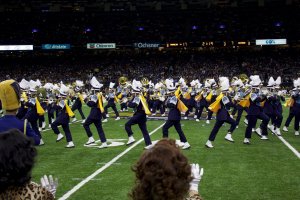
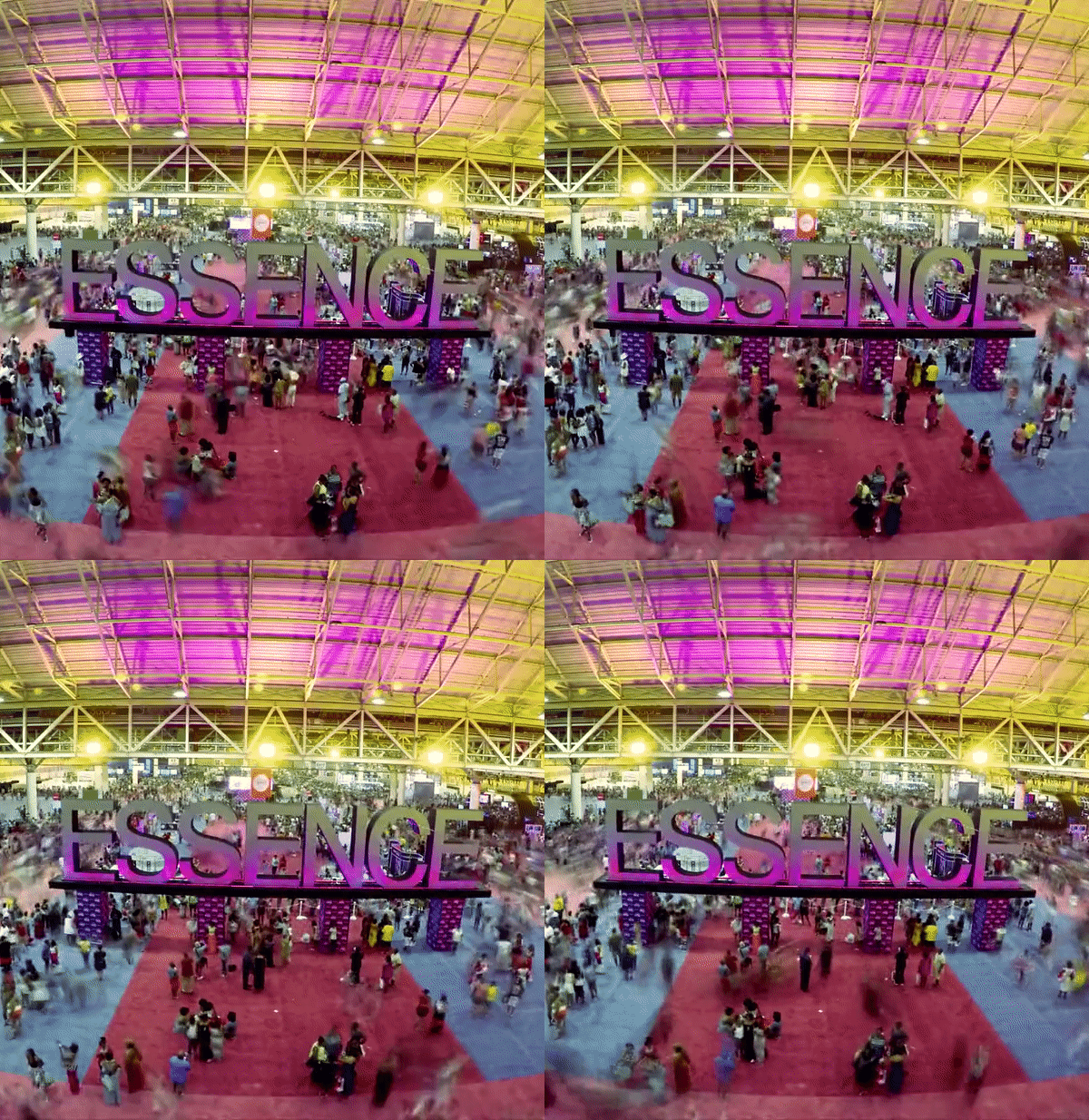
Traditionally, the ESSENCE Festival of Culture takes place over the Independence Day weekend. This year, the dates fall on July 3-5, 2026. Over those three days, the event will be held mostly at the two New Orleans venues: the Caesars Superdome for the evening performances and the New Orleans Ernest N. Morial Convention Center for the daytime activities. Some events will also be held at the venues citywide.
Music Lineup Headliners and Other Highlights
Music fans from all over simply can’t go wrong with all the incredible names in every year’s lineup. The 2026 theme is “Ladies First,” celebrating iconic female artists. Teyana Taylor and The Aunties are chief curators.
Notable performers include Cardi B and Latto, who are set to take the Superdome stage for their first-ever ESSENCE Festival of Culture appearances. Returning to the spotlight are recent ESSENCE cover stars and Grammy-winning singers Brandy and Monica. Grammy Award winner and R&B standout Kehlani is also part of the lineup. And Patti LaBelle, a true icon with more than 60 years in music, returns to her roots.
The traditional Sunday Gospel Celebration at the Convention Center features the greatest gospel hits, and ESSENCE After Dark, a series of late-night jam sessions, comedy shows, underground performances, live podcast recordings, and more, is also not to be missed.
In addition, a variety of exciting conferences, exhibitions, roundtables, and other experiences are scheduled this year, plus beauty, fashion, and food events, a marketplace, a family day, an economic forum, keynote speakers, and more. The BeautyCon and Wellness House experiences feature celebrity beauty influencers and wellness experts.
Where to Get Your Tickets
You can get your tickets a la carte (for the evening concerts at the Superdome and ESSENCE After Dark) or in bundled day and VIP packages, online. The headliners sell out fast, so don’t wait till the last minute! All the events held at the Convention Center during the day are free and open to all (registration is required for everyone over 18).
What to Pack
Bring comfortable shoes, an umbrella or rain jacket (as summer in New Orleans can bring unpredictable weather and frequent afternoon showers), and a lot of patience.
The Convention Center in particular is massive, so there will be a lot of walking, and lines could be long. Both the Superdome and the Convention Center have AC, of course, but staying Instagram-ready in the hot and humid New Orleans summer could be tricky.
So dress light, but also be prepared for the much chillier temps inside. It might be a good idea to bring a portable mobile device charger with you so you won’t have to look for an available power outlet in a crowded venue.
Where to Eat
Check out the ESSENCE Food & Wine experience while you’re attending the festival for dozens of vendors and special food demos to get recipe inspiration, find a new dish you like, or revisit an old favorite. There’s also a food court with vendors from all over the South offering a wide range of classic New Orleans food, world cuisine, vegan and vegetarian fare, desserts, and beyond.
For dining out on the town (and in the French Quarter in particular), see our guides, below.
Where to Shop
Look for the festival marketplace near the food court, with dozens of vendors selling artwork, crafts, music, clothing, jewelry, etc. You can easily get your souvenir shopping done there, too, from the local vendors. The festival also has its own store inside the Convention Center, with festival merch, books, magazines, and so on.
There are also plenty of shopping options in the area. You could spend a whole day browsing the three levels of The Shops at Canal Place. It has a soaring atrium and food options ranging from casual to upscale. Canal Place houses a slew of upscale national chains, but also local boutiques.
The Outlet Collection at Riverwalk, located by the Mississippi River, is a sprawling discount outlet mall with all the popular labels like Gap, Under Armour, and Guess.
Further down, venturing into the French Quarter, check out H&M and Sephora, plus all the lovely, unique boutiques that pepper Chartres St.
For more shopping suggestions, please see our guides, below.
Where to Stay
If you plan on attending the ESSENCE Festival of Culture, why not choose a historic hotel for a unique experience? You’ll still stay close to all of the action and excitement, but you’ll also be creating memories steeped in history and charm.
Here are our suggestions: All these hotels are historic properties located in the French Quarter (three of those — Hotel St. Marie, French Market Inn, and Place D’Armes — have charming saltwater pools in their lush courtyards).
Book your New Orleans stay with the help of our recommended New Orleans Hotels.
What’s Going on in New Orleans That Week?
There’s Independence Day, of course. New Orleans celebrates July 4th like anywhere else in America, but also with a flavor all her own. There will be fireworks over the Mississippi River and plenty of music and partying. Head to the Riverfront for the display, or see if you can score a French Quarter balcony as a viewing (and party) spot. Many Bourbon Street bars with balconies allow access for a cover fee or if you’re just buying drinks.
What Else You Need to Know
- The ESSENCE Festival of Culture requires all guests 18 and over to register for entry into ESSENCE Festival’s conferences and expos.
- Since the Convention Center events are for all ages, if you want to buy a drink at the food court, prepare to be carded.
- You can re-enter the Convention Center multiple times, but not the Superdome.
- No outside food or drink will be allowed at the Convention Center and the Superdome; all bags will be searched.
- Take note of the Superdome’s clear-bag policy: “Any bag, purse, or briefcase that is larger than 12” x 6” x 12” will not be allowed into the Superdome. All bags that enter must be clear, with the exception of medical bags, which may be subject to inspection, and small clutch bags. The maximum size for a clutch bag is 4.5”x 6.5”.
- Look for the festival sponsor booths (like Coca-Cola) to score some samples and giveaways and to enter contests. Sponsor booths also host celebrity meet-and-greets, so this might be your chance to meet your favorite star when they’re not performing.
New Orleans and French Quarter Guides
Make the most of your stay in New Orleans while you enjoy ESSENCE Fest with our comprehensive guides to the New Orleans dining, sightseeing, shopping, nightlife, and much more:
New Orleans Guides
Eating and Drinking
-
- Local French Quarter Favorites
- Diet Another Day: New Orleans Must Eats in the French Quarter
- Best Food on Bourbon Street
- Best Kept Secrets for Eating Cheap and Eating Well in the Quarter
- Late Night Dining: Where to Turn in the Quarter When the Midnight Hungries Hit Hard
- Vegetarian Destinations in the French Quarter
- Best Pizza in the French Quarter
- French Quarter Dining Al Fresco
Classic New Orleans and Southern Dishes
- Try the Best Jambalaya in the French Quarter
- 10 Best Places to Get Gumbo in the French Quarter
- Where to Score the Best Crawfish in New Orleans
- Best Muffulettas in the French Quarter and Nearby
- New Orleans’ Po-Boy Is A Rich Food Tradition
- New Orleans’ Legendary Fried Chicken Joints
- The Best Barbecue in New Orleans
- Bananas Foster in the French Quarter
- Proof Is in the Bread Pudding
Cocktails
- Best Places for Cocktails Outdoors in the French Quarter
- The Best Happy Hours in the French Quarter
- Classic Cocktails and Modern Thirsts in the French Quarter
Shopping
- French Quarter Shopping: One-of-a-Kind Stores
- Vintage Shopping in the French Quarter
- Hat Shopping in the French Quarter and Nearby
- Shopping for Discovery and Surprise
Exploring
- First-Timer’s Guide to the French Quarter
- Must-See French Quarter Museums
- Must-See Mardi Gras Museums
- Photo Ideas for Your Next French Quarter Vacation
- What to Do on a Rainy Day in the French Quarter
- Fun New Orleans Sightseeing With the Hop-On Hop-Off Bus Tour
- Famous New Orleans Ghosts
- New Orleans’ Haunted History
- Neighborhoods Near the French Quarter
Famous Streets
- Bourbon Street: a Block-by-Block Guide
- Bourbon Street Bucket List
- Decatur Street: a Block-by-Block Guide
- Royal Street, a Block-by-Block Guide
- North Rampart Street, a Block-by-Block Guide
- Chartres Street, a Block-by-Block Guide
Additional Resources
- The Ultimate Guide for Women Traveling Solo in the French Quarter
- What to Do in the French Quarter When You’re Under 21
- Exploring the French Quarter With Kids
Coming to New Orleans This Summer?
In addition to checking out our suggestions listed above, consider booking a guided tour of St. Louis Cemetery No. 1 to experience the hauntingly beautiful past of New Orleans. For easy, informative sightseeing, we recommend the City Sightseeing New Orleans city tour on the open-top, double-decker bus. It runs every 30 minutes through the Garden District, French Quarter, and CBD. You can hop on and off anytime!
JOIN THE NEWSLETTER!
Tales of the Cocktail Returns to New Orleans This Summer
Tales of the Cocktail by Cory James Photo
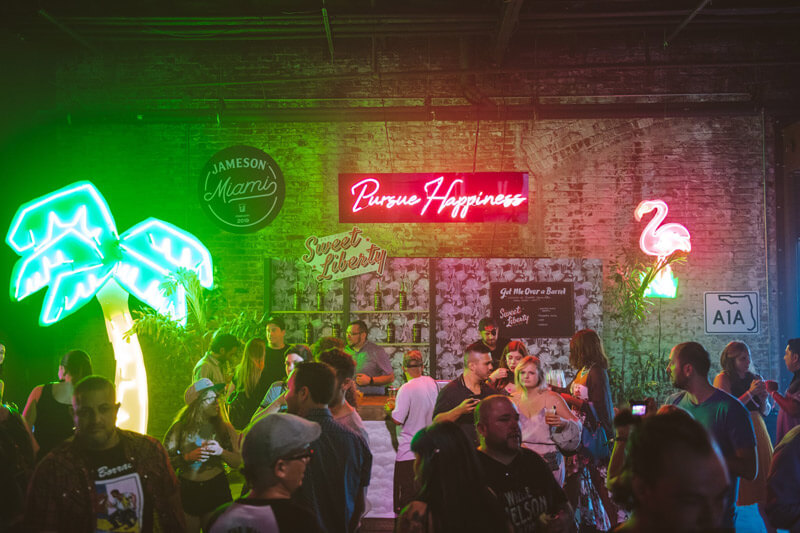
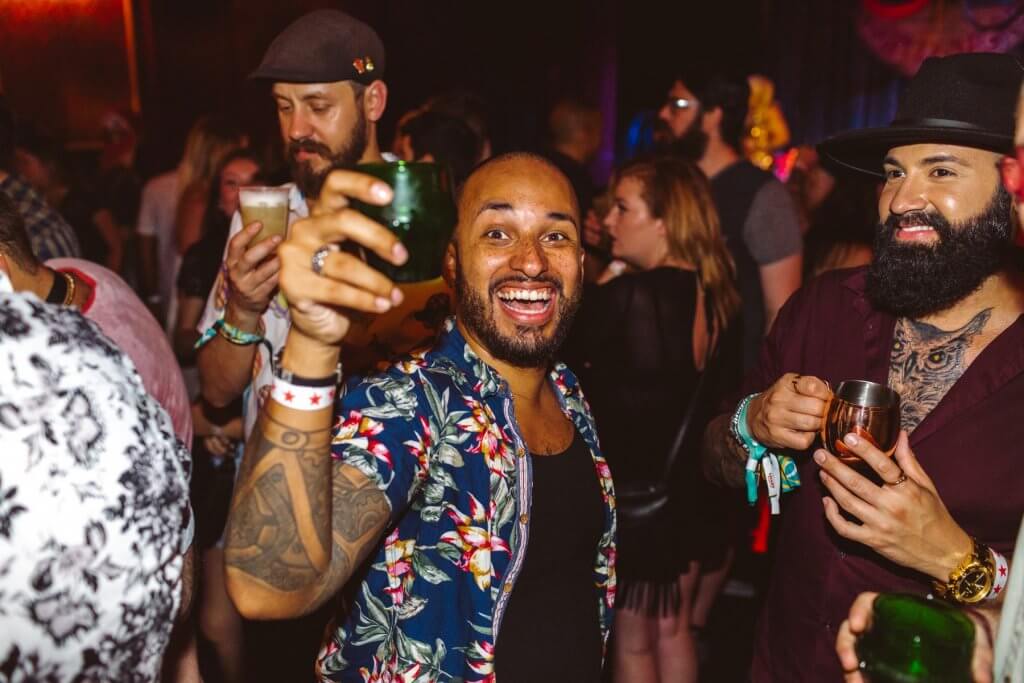
Tales of the Cocktail Foundation‘s popular annual conference returns Tuesday, July 19 – Sunday, July 24, 2026, to the Ritz-Carlton, providing festival-goers with six action-packed days of tastings, special events, and scheduled seminars. This is a perfect chance for spirit enthusiasts from all over the world to create and exchange ideas and techniques in the cocktail world.
Developed for any and all spirit enthusiasts and professionals, Tales of the Cocktail gets the whole city involved with a variety of special events and celebrations throughout the week. Regardless of whether you are a bartender, bar owner, distiller, mixologist, tastemaker, or just a passionate lover of food and drink, Tales of the Cocktail is an event you will not want to miss.
Centered around the theme Spark, the 2026 conference highlights the belief that every major movement starts with a single moment of inspiration, idea, or connection. The event celebrates the creativity and small actions that drive meaningful progress throughout the cocktail industry and beyond. Tickets go on sale on World Cocktail Day, May 16, 2026.
Celebrating History With Every Sip
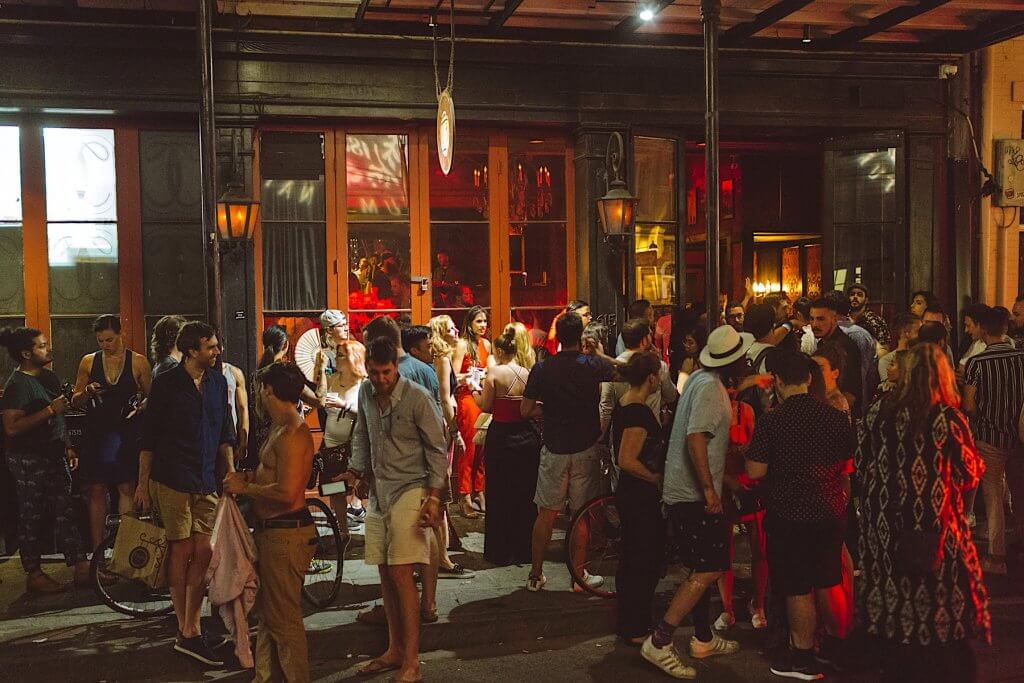
Some of the world’s most famous cocktails were invented in this city: the Sazerac, Brandy Milk Punch, and Ramos Gin Fizz, to name a few. This festival started as a walking tour of historic New Orleans cocktail bars, and now, celebrating 24 years in 2026, it attracts thousands of people from all over the world with dozens of events hosted over just six days.
The festival features multiple seminars and tastings, and if you’ve ever wanted to explore the “spirited” side of New Orleans (drinks, not ghosts), there are multiple tours, happy hours, tastings, seminars, book signings, bartender contests, networking, and more.
Tales of the Cocktail by Cory James Photo
More Than Just Drinks
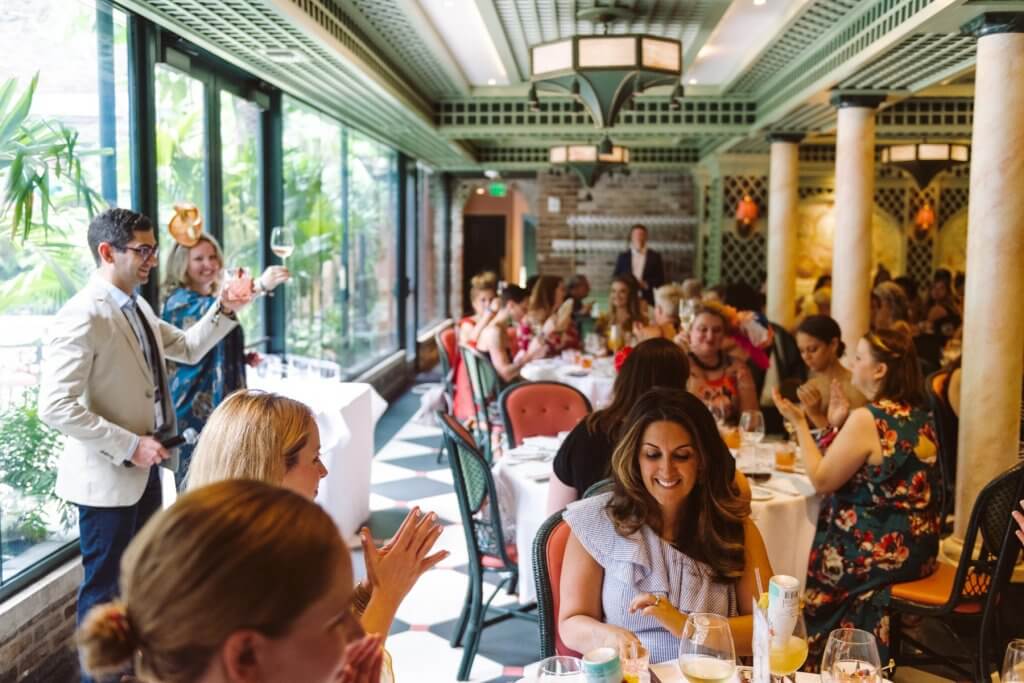
Tales of the Cocktail highlights the important connection between two of our favorite subjects – food and drink – and to that end, the Spirited Dinner series will feature special cocktail and food menus at restaurants across the city. The Tales’ signature annual blowout, the “best of” Spirited Awards, will be held on Thursday, July 23, 2026.
Tales of the Cocktail by Cory James Photo
Get Your Tickets
Please note that tickets for special events are sold individually, so you can build your own itinerary. You can also get day and week passes. The prix fixe tasting menus and food-pairing dinners are especially popular, and the tours and cocktail-themed parties also tend to sell out quickly, so we highly recommend getting your tickets as early as you can.
Tales of the Cocktail by Cory James Photo
What to Do and Where to Stay in the French Quarter
If you are looking for things to do in New Orleans, you will have no shortage of exciting options right at your fingertips. In addition to Tales of the Cocktail, there are many other exciting festivals and events taking place in The Big Easy in the summer, including culinary festivals.
Many of the Tales’ events are located in the French Quarter, so why not choose a historic hotel nearby? Check out these historic properties, all located in or near the French Quarter, some with charming saltwater pools.
JOIN THE NEWSLETTER!
What to Do in July in New Orleans
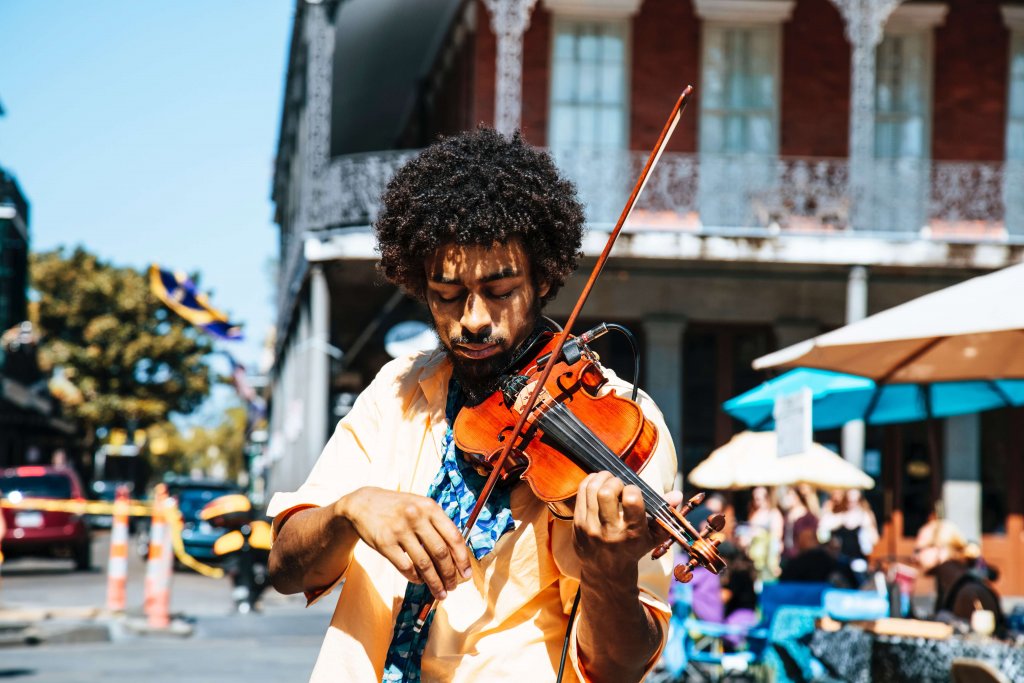
Photo by William Recinos on Unsplash
Summer in New Orleans is HOT, but we’ve got a slate of festivals that will cool you off and keep you entertained.
Independence Day
Saturday, July 4, 2026
New Orleans celebrates July 4th like anywhere else in America, but with a flavor all her own. There will be fireworks above the Mississippi River and much partying as usual. As part of the annual “Go 4th on the River” celebration, the “Dueling Barges” will again put on a spectacular fireworks show set to patriotic music.
There are plenty of great spots to watch the display, but a French Quarter balcony is one of the most desired viewing spots in the city. You can grab excellent vantage points on the Riverfront, and in the Marigny and Bywater, too. The Woldenberg Park on the shoreline of the Mississippi River is also an excellent spot to throw a picnic while you wait for the fireworks, as well as another waterfront park, Crescent Park. Coolers and chairs are welcome.
ESSENCE Festival of Culture
Friday-Sunday, July 3-5, 2026
There’s a lot to love about the ESSENCE Festival of Culture, beyond the fact that it is the largest annual African American culture and music event in the world. It’s one of the finest gatherings of musicians in a city that is well-known for throwing together excellent gatherings of musicians.
Beyond the concerts held each night of the fest at the Superdome, its free daytime experiences at the Convention Center include motivational seminars, beauty and style presentations, celebrity interviews, cooking demonstrations with top chefs, and lots more.
Expect a stellar music lineup of major headliners and the best of the local talent. The festival’s theme is “Made Like This”. Headliners include Cardi B, Patti LaBelle, Kehlani, Latto, and Brandy & Monica. This year, the festival is celebrating its 32nd anniversary.
The traditional Sunday Gospel Celebration at the Convention Center will feature the greatest gospel hits, and ESSENCE After Dark, a series of late-night jam sessions, comedy shows, underground performances, live podcast recordings, and more, is returning once again to the Superdome.
Don’t wait! Get your tickets online. You can also download the festival’s app. And please remember that all events held at the Convention Center during the day are free and open to all (registration is required, though, for anyone over 18).
Bastille Day Fête
Friday, July 10, 2026
The Alliance Française de La Nouvelle-Orléans holds its annual celebration (4-10 p.m.), which is an open-air evening of French music, culture, food, and community. There will be live music, a costume contest, kid-friendly activities, and French-centric food and wine. You can get tickets in advance on the event’s website.
San Fermin in Nueva Orleans (Running of the Bulls)
Friday-Sunday, July 10-12, 2026
Plenty of people know that Encierro de Pamplona is a major event in the Spanish tourism calendar, but not as many folks realize New Orleans hosts its own bull run. Except here, the “bulls” are roller derby girls, dressed in the traditional colors of Spain’s bull run and wearing horned helmets, who whack the participants — dressed all in white with red scarves and handkerchiefs — with wiffle bats.
This year, the Saturday, July 11, 2026, run takes place at the Gallier Hall, starting at 6:30 a.m. The annual El Txupinazo party takes place on Friday, July 10, 2026, from 6 to 9 p.m. This is a ticketed event and 18+ only.
Check out the schedule on the event’s website for the annual opening and closing parties happening that weekend. You can also get your tickets online.
Tales of the Cocktail
Sunday-Friday, July 19-24, 2026
Some of the world’s most famous cocktails were invented in this city: the Sazerac, Brandy Milk Punch, and Ramos Gin Fizz, to name a few. Having a drink in New Orleans isn’t just fun — it’s also a celebration of our unique history.
Still, New Orleans can’t just let a cultural touchstone be without holding a festival, and thus, Tales of the Cocktail, a celebration of mixed drinks in all of their vast diversity. Every year, the party draws in thousands of bar owners, distillers, mixologists, authors, tastemakers, and enthusiasts who are interested in networking, sharing knowledge, showing off their skills, learning, and, well, drinking.
This six-day event is filled with seminars, workshops, tastings, book signings, bartender contests, networking, and much more. The festival’s signature annual blowout, the “best of” Spirited Awards, will be held on Thursday, July 23, 2026, followed by the always-popular after-party.
During the festival, Tales of the Cocktail hosts dozens of events. Please note that tickets for events are sold individually, so you can build your own itinerary. The prix fixe tasting menus and food-pairing dinners are especially popular, and the tours and cocktail-themed parties also tend to sell out quickly, so we highly recommend getting your tickets as early as you can.
Coming to New Orleans in July?
Check out our guide to where to stay in the French Quarter, and be sure to check out our resource for French Quarter Hotels. Also, consider booking a guided tour of St. Louis Cemetery No. 1 to experience the hauntingly beautiful past of New Orleans.
For easy, informative sightseeing, we recommend the City Sightseeing New Orleans city tour on the open-top, double-decker bus. It runs every 30 minutes through the Garden District, French Quarter, and CBD. You can hop on and off anytime!
Happy July!
JOIN THE NEWSLETTER!
What to Do on a Rainy Day in the French Quarter
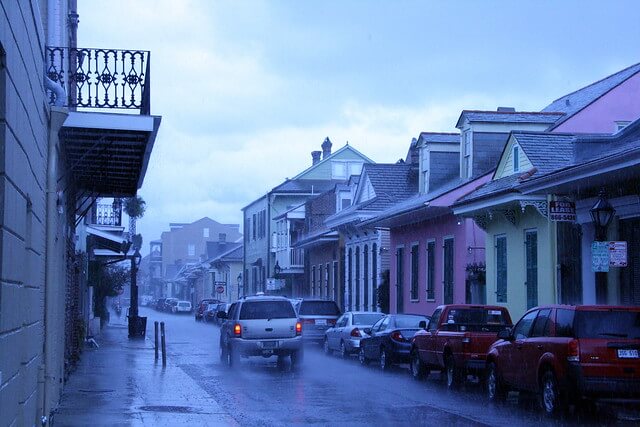
Photo by Vince Huang on Flickr
Rain, rain, go away? Not necessarily. It can rain buckets in New Orleans, seemingly suddenly, and especially during the long, steamy summer season in Louisiana. If you’re been caught in a daylong downpour or even a brief afternoon shower while visiting, do not worry — it’s easy to enjoy a few hours in the air-conditioned indoors in the French Quarter — just bring patience, your sense of adventure and appetite, and an umbrella (rain boots are also a good idea as the streets can flood). Here are our suggestions to keep you entertained until the sun comes out again.
Head to a Museum
The Quarter boasts quite a few museums, which tend to focus on the city’s past and the history of Louisiana. Some, like the New Orleans Jazz Museum, are free; others you can visit for a nominal fee.
For example, the New Orleans Pharmacy Museum is a reasonable $10 and features a permanent collection of 19th-century surgical instruments, books, patent medicines, and locally excavated bottles. The museum occupies a two-story historic building, the site of the apothecary shop of Louis Joseph Dufilho, Jr., who was America’s first licensed pharmacist. The museum’s second floor features a sick room and a physician’s study, and there’s a small yet lovely courtyard.
Hermann-Grima House and Gallier Historic Houses are two historic homes that are considered some of the best-preserved historic structures in the French Quarter. You can tour both and learn about what life was like in New Orleans in the 19th century for the Creole gentry as well as their enslaved servants.
The Historic New Orleans Collection is spread over several historic buildings in the French Quarter. The Royal Street location (520 Royal St.) houses the main museum with a permanent exhibit on state history, plus rotating exhibits on history and art. Admission is free.
Consider heading to Jackson Square for two museums and a historic cathedral. Catch a mass or free concert (or just admire the interior during the quiet hours) at the St. Louis Cathedral. It’s flanked by The Cabildo and The Presbytère, which are run by the Louisiana State Museum and house a number of excellent exhibits. You’ll find many precious pieces of Louisiana history at the Cabildo, like a rare Napoleon death mask and a painting of Marie Laveau by Frank Schneider.
There are two excellent permanent exhibits at the Presbytère. You could get lost for hours in the “Mardi Gras: It’s Carnival Time in Louisiana” exhibit, which details the history of Carnival traditions in Louisiana, including Cajun Courir de Mardi Gras, Zulu coconut throws, Rex floats, and spectacular costumes throughout the centuries. The “Living with Hurricanes: Katrina and Beyond” exhibit documents the natural disaster and ongoing recovery.
Go shopping
The Riverwalk Outlets and Canal Place are a short walk away from each other. Both are self-contained, multi-storied indoor malls that could keep you shopping and eating for as long as your stamina holds up. The Riverwalk mall is an outlet with more than 75 retailers and restaurants, including Nordstrom Rack and Cafe Du Monde. Canal Place is home to Saks Fifth Avenue, Tiffany and Co., Anthropologie, and dozens of other upscale retailers. There’s a small food court upstairs.
Another option is The Shops at JAX Brewery on the busy stretch of Decatur Street, a multi-story historic landmark that holds retail stores, cafes, restaurants, and a small museum dedicated to the brewery. Nearby, the historic French Market is a treasure trove of souvenirs, crafts, Louisiana spices and hot sauces, and more.
While you’re there, check out the Shops at the Colonnade. The strip of shops, some with Decatur and some with N. Peters St. addresses, is worth a visit if you’re shopping for souvenirs or local specialties like pralines. The whole stretch of the French Market is covered, from the flea market to the food vendor section, and you can easily duck in and out of the Shops at the Collonade even in the most inclement weather.
Relax with a book
New Orleans proudly boasts a number of impressively stocked independent bookstores, and some of the best ones are located in the Quarter. A former home of William Faulkner located in the historic and picturesque Pirate Alley, just off Jackson Square and behind the Cabildo, Faulkner House Books mostly offers local-interest books and the classics, including rare editions, and, of course, the works of William Faulkner.
Another beloved independent bookstore, and decidedly one of the best bookstores in New Orleans, the bi-level Beckham’s Bookshop specializes in used, antiquarian, and rare books, as well as CDs and vinyl. A gem of a place, Beckham’s has been around since 1979 at this location. It’s crammed floor to ceiling, and is beer- and dog-friendly. You’ll find it right across the street from the House of Blues.
The charming Dauphine Street Books and Crescent City Books are both great spots if you want to browse an eclectic, well-curated selection of both new and used books, including maps and out-of-print editions.
See a movie
The Prytania Theatre is located inside Canal Place. It’s the longest-operating movie theater in the South, and this location is its latest.
Visit the Aquarium and/or the Insectarium
The Audubon Aquarium is a sprawling compound on the Riverfront that will keep you and your family enthralled for hours. It was renovated in 2023, reopening after the Audubon Insectarium had moved in. Both are packed with state-of-the-art exhibits, some brand new. One ticket gets you admission to both attractions.
Take in a show
With the beautifully renovated Saenger and Joy theaters, Canal Street shines once again as a performing arts destination. See a Broadway show at the palatial Saenger, built in 1927 and restored in 2013 after staying vacant post-Katrina. Or catch a live music show or a national standup comedy act at the Joy Theater. This 1946 landmark started off as a movie theater and was gorgeously restored to its art deco glory.
Just off Jackson Square, Le Petit Theatre has called its St. Peter Street location home since 1922. See what’s playing this season at the famed playhouse here.
Eat and drink, of course
When it comes to those two activities in the French Quarter, the world is your oyster and the options are overwhelmingly, deliciously numerous. Whether you’re on a quest to sample the New Orleans staples, or want to experience some classic fare on a budget, you’ll find that some of the best bars and restaurants in the city (and the country, if not the world) could be found in the French Quarter, steps away from your hotel.
And what could be better than holing up with a drink and watching the rain? All year round, the Quarter offers incredible happy hour deals you won’t want to miss. Just to name a couple, Vacherie’s happy hour (3-6 p.m. every day) offers a $7 bar menu of draft beer flights, house wine, and mixed drinks, plus $9 small plates like sliders and boudin balls. And The Bombay Club inside Prince Conti Hotel specializes in martinis and has more than 50 specialty cocktails on the menu.
Rain or shine, happy exploring! And if you’re planning a stay in New Orleans, be sure to check out our resource for French Quarter Hotels.
JOIN THE NEWSLETTER!
Nola Crawfish Fest
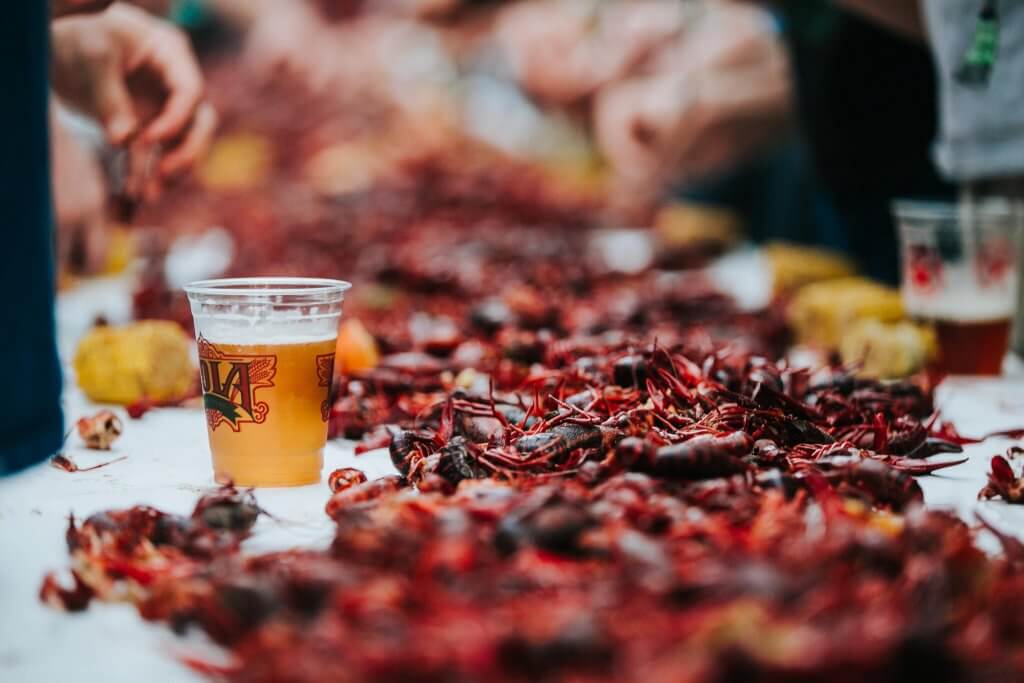
Photo courtesy of NOLA Crawfish Festival on Facebook
Taking place between the two Jazz Fest weekends, the 10th annual NOLA Crawfish Fest features three days of live music, beer, and some 6,000 pounds of boiled crawfish conjured by the NOLA Crawfish King himself, Chris “Shaggy” Davis. The fest will take place at The Broadside (600 N. Broad St.) starting on Monday, April 28, through Wednesday, April 30, 2025 (3-10 p.m.)
The timing might seem unusual, as most New Orleans festivals take place over the weekend, but with all the Jazz Fest fans in town looking to celebrate local culture between the two Jazz Fest-filled weekends this in fact seems perfect.
The venue is a child-friendly indoor/outdoor event space located in Mid-City. As for the music lineup, NOLA Crawfish Fest focuses on featuring local musicians, so this is a great chance to see them jam outside of the Fair Grounds and in a much smaller, more intimate setting.
What Else Do You Need to Know?
The NOLA Crawfish Fest tickets are available for each day and in three-day VIP packages. General admission per day is $64.95. VIP packages start at $130.95. (There’s an option to buy them online on the event’s website). Children under 12 are admitted for free, ages 13-17 can enter with a discounted ticket if it’s paired with a regularly purchased ticket.
There will be other kinds of food besides crawfish available for purchase, like BBQ, as well as drinks. The organizers ask that you don’t bring festival chairs as there’s plenty of seating around the stage and in the food area. This is a rain or shine event. There will be no refunds provided.
In terms of getting there and parking, Jazz Fest is always a very busy time in New Orleans, so expect traffic but a rideshare or a cab are both good transportation options. So is biking, and there is bike parking at the venue. If you plan to drive to the fest, street parking is limited. If you are up for it, The Broadside isn’t that far from the Fair Grounds (two miles), so walking is another option.
We hope you enjoy this chance to celebrate the Louisiana crawfish season!
Are you planning to spend some time in New Orleans soon? To stay close to all the action, book a historic boutique hotel in the French Quarter at FrenchQuarter.com/hotels today!
JOIN THE NEWSLETTER!
A First-Timer’s Guide to the New Orleans Jazz Fest
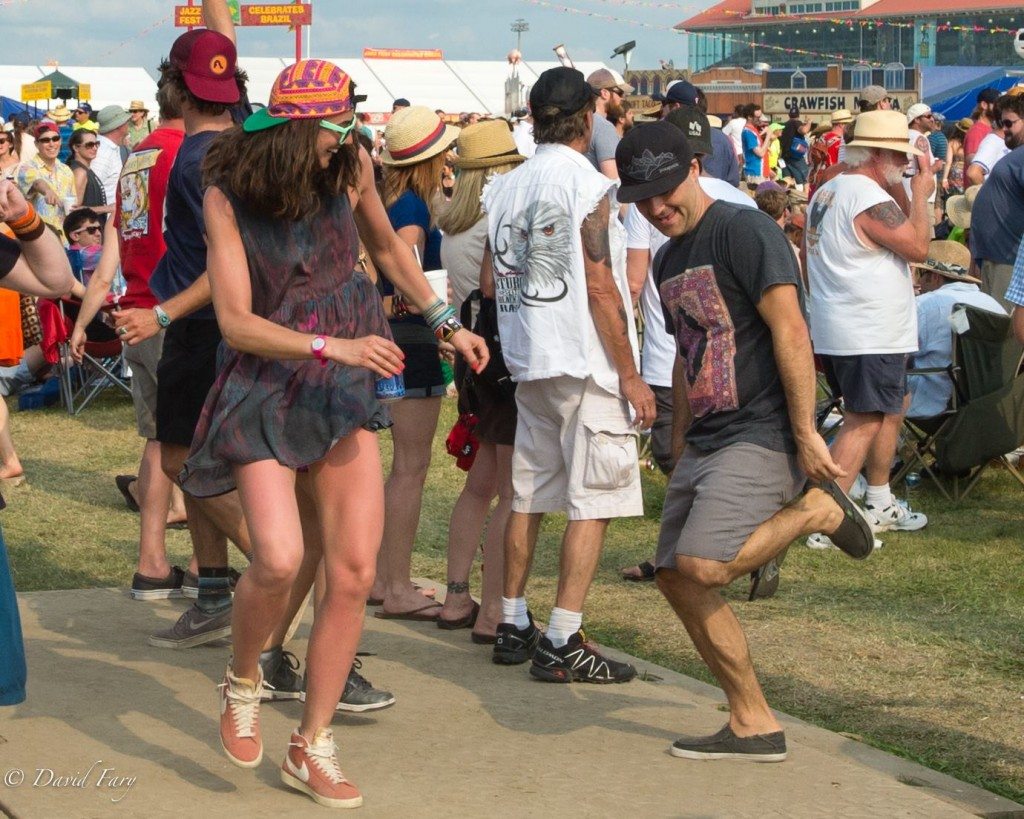
New Orleans Jazz Fest Photo by David Fary
There are many jazz festivals the whole world over, yet there is only one of the genre in the city that birthed it: the New Orleans Jazz & Heritage Festival, which has been around for over five decades and still takes over the city during the last weekend in April, the first weekend in May, and pretty much all days in between (Thursday, April 23 – Sunday, May 3, 2026).
It is fair to say Mardi Gras and Jazz Fest are the two keystone entries of the New Orleans events calendar. Where Mardi Gras is a celebration with deep Catholic and pagan roots that is indelibly branded by the city of New Orleans, Jazz Fest is rather a celebration of New Orleans itself.
That’s the backstory on the “& Heritage” part of the description in the official Jazz Fest title: The event has become less about showcasing jazz per se, and more about showing off the city that gave us jazz.
Because New Orleans is so central to pop music, almost any act and genre you can imagine has strutted on Jazz Fest’s 15 stages — and yes, there are that many stages popping off at the Fair Grounds Race Course & Slots (1751 Gentilly Blvd.) during the 2026 Jazz Fest. As a result of this sheer scope and size, in many ways, Jazz Fest feels like too overwhelming an event to properly tackle, especially for those who are attending for the first time.
Regarding the festival’s musical acts, there are plenty of commentators who think festival organizers have unfairly stretched the definition of what music falls under the jazz and heritage rubric. We’re not here to debate that topic, but rather point out that there is undoubtedly a wide variety of genre presence at Jazz Fest, which only adds to the looming sense of choice overload.
With all of that in mind, there are some sound tactics for making Jazz Fest more manageable. Here are some of our time-tested strategies.
Ride a Bike
While this choice isn’t going to work for everyone — some visitors simply don’t have urban cycling experience or are scared of the prospect — we can’t stress just how much biking can improve the Jazz Fest experience. Even the most diehard Jazz Fest boosters will admit parking can be a nightmare during the festival. Parking enforcement officers are on high alert — we’ve never seen the impound lot on Claiborne Avenue get quite so busy as it does during Jazz Fest.
Of course, you can pay for parking. Folks who live near the Fairgrounds will turn even the smallest plot of the backyard into an impromptu parking lot (rates vary, but around $30 per day seemed to be the going rate in the past).
There are other ways of outflanking the parking issue, including the official Jazz Fest shuttle, taxis (both cars and bicycle rickshaws), rideshare, and the streetcar. Note that if you take the streetcar, you’ll still have to walk about a half mile to the festival entrance. (Take the number 48 line that runs on Canal Street and get off at the final stop at City Park/Art Museum.)
But we really love getting to Jazz Fest on two non-motorized wheels. Bike lane infrastructure can now bring riders to the gates of Jazz Fest. If you’re staying in the French Quarter, the bike ride to the Fairgrounds covers a 10-15 minute straight shot up Esplanade Avenue.
Plus, there is extensive bicycle “parking” (overlooked by security staff) on site. While we can’t guarantee what the weather will be like during Jazz Fest weekends, in general, late April and early May form a lovely climate window in New Orleans.
In addition, being on a bicycle gives visitors a better sense of the city. You can see New Orleans at the street level without the loss of time walking might engender. There’s an intimacy to biking in the city that’s tough to replicate from a car.
Shape Your Cube
The Jazz Fest lineup is famously scheduled into “cubes” for attendees. Devising a schedule for seeing all of your favorite acts can be a fun logistical challenge, but don’t forget that the stages of Jazz Fest are spread out over a decently large area. If you’re in the middle of the crowd at one of the main stages, it can take about 10 or 15 minutes just to extricate yourself from the center of mass.
Note that Sundays and Thursdays always feel a little bit less crowded at the racetrack, although that “little bit less” is admittedly a relative number — there are no real “light” days at Jazz Fest.
The way you assemble your cube is up to you, but here are some pointers we’ve picked up over the years:
Stick to your cube, but don’t do so religiously. Part of the fun of Jazz Fest is simply letting the music take you wherever it wants to go.
Don’t ignore smaller stages. We found one of our great unexpected Jazz Fest shows at the Kids Tent. We also always find the Fais Do-Do stage to be a consistently good break in our routine — basically, you can never go wrong dancing to Cajun or zydeco music.
Visit the Gospel Tent at least once. We’ve consistently found that even those who know next to nothing about gospel music have their spirits lifted and their musical boundaries expanded in this venue.
Cool Off
It can get hot during Jazz Fest. A few good means of beating the heat include:
Enjoying the air conditioning in the Grandstands
Hitting the mist tents by the Gentilly Stage and #2 food vendor area
Sitting down and relaxing in the vicinity of the Louisiana Folklife Village
Getting strawberry lemonade and Mango Freeze! (And of course, hydrating with water)
Staying out of the scrum for bigger headliners
Priorities, Priorities
While the price of Jazz Fest tickets continues to climb, the fact of the matter is you can still see some grade-A headliners for a bargain rate compared to similar (or even smaller) festivals. Many locals treat Jazz Fest as a chance to see big acts for relatively cheap. On the flip side, if you live in or near the city, you can see the New Orleans musicians throughout the year at local venues, which means there’s less pressure to see them on the Fairgrounds.
If you’re coming in from out of town, you may have the opposite scenario prioritized — you can see big-name acts anywhere, but this is your best chance of seeing Louisiana music on its native soil. In addition, smaller local acts often occupy stages that are less crowded, and everyone enjoys a break from the seething masses.
With all of that said, don’t forget that during the “off days” in between the two festival weekends, many smaller and mid-sized acts will be playing gigs around town. If you miss them at the Fest, you may well catch them on Frenchmen Street.
With that said, there’s something about seeing local acts at Jazz Fest. The big-name headliners are used to huge audiences. A local Louisiana act would be playing to wow the world, and some of those sets end up being nothing short of legendary.
What to Know About the 2026 Jazz Fest
Jazz Fest will remain cashless. Ticket, food, beverage, craft, and merchandise booths no longer accept cash payments. If you come to the event with only cash, the Festival will offer two cash exchange booths near key vending locations so you can get a prepaid card for your cash.
This year, Jazz Fest features over 5,000 musicians across 15 stages.
The festival will be one of the largest in its 55-year history. Eight is the most number of days for the event, and this year there will be the most food vendors and food items ever. And there will also be over 250 art and craft vendors.
“Locals Thursday” will be April 23 this year, with discounted tickets for Louisiana residents.
This year, Jazz Fest will celebrate Jamaica’s musical and cultural diversity at the Cultural Exchange Pavilion. During the festival, dozens of bands and a wide variety of artisans from throughout Jamaica will present their sounds and traditions.
The Jazz & Heritage Gala kicks off Jazz Fest with the celebration of Louisiana music and cuisine on Wednesday, April 22, at Generations Hall (310 Andrew Higgins Blvd.).
Check out the event’s FAQ section for more details.
Coming to Jazz Fest This Year?
See the 2026 Jazz Fest music lineup and food offerings on the event’s website. And be sure to check out our resource for French Quarter Hotels!
JOIN THE NEWSLETTER!
June Festivals in New Orleans
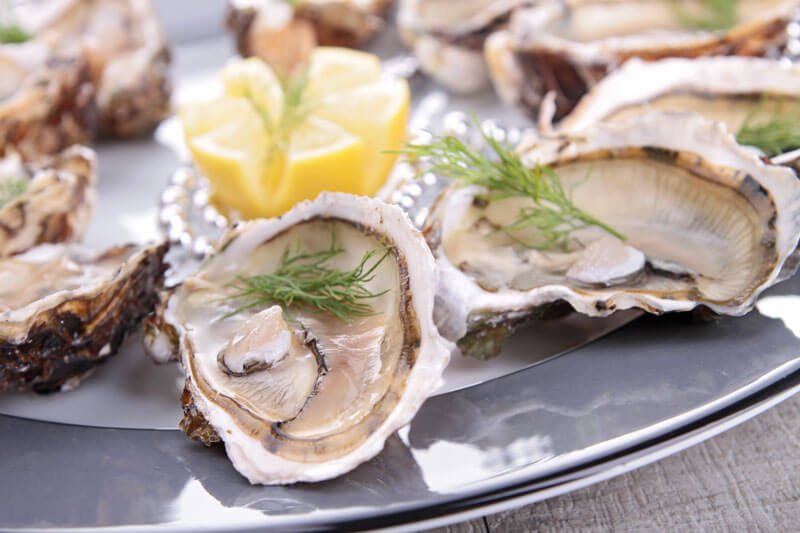
The end of spring and the beginning of summer in the French Quarter is packed with celebrations of local food, music, and culture, going well into August. Here are a few must-attend events happening in June in and near the French Quarter.
French Market Creole Tomato Festival
Saturday-Sunday, June 6-7, 2026
Traditionally held in early June, the annual (and free!) French Market Creole Tomato Festival welcomes the arrival of Creole tomatoes, which Louisiana loves to incorporate into many local recipes. The French Market location and the food offerings make this a popular festival among locals and visitors alike.
Celebrating its 40th year in 2026, the festival features live music at the market and in Dutch Alley, kids’ activities, tomato-eating contests, free dance lessons, and a second line. There are cooking demos in addition to an extensive menu from participating food vendors of Creole tomatoes incorporated into gelato, crepes, crawfish pies — you name it. You can also get Creole tomatoes from the participating farm stands.
Kick off the Creole Tomato Festival with the Ripe & Ready second line on Saturday, June 6, at 10:30 a.m. It’s open to all, and you’re encouraged to wear “your favorite tomato attire.” The second line will form at Oscar Dunn Park, 700 Decatur Street, across from Jackson Square, and walk to the French Market festival location. On both Saturday and Sunday the fest will be held from 11 a.m. to 5 p.m.
The festival is spread out between the tents and the stages located at the Farmers Market, the New Orleans Jazz Museum at the Old U.S. Mint (this one is indoors), and Dutch Alley. The live music schedule never disappoints.
Restaurant Week New Orleans
Monday-Sunday, June 8-14, 2026
During Restaurant Week, you can enjoy multi-course, special menus and dining deals in numerous participating restaurants, from upscale Creole eateries to neighborhood bistros. Keep up with this year’s list of participating restaurants and their menus, and don’t miss a chance to try a new spot or revisit your favorite.
New Orleans Wine & Food Experience
Wednesday-Saturday, June 10-13, 2026
In its 34th year in 2026, the New Orleans Wine & Food Experience (NOWFE) is a smorgasbord of food and wine tastings, tours, master classes, and the annual champagne-soaked burlesque brunch. Each year, hundreds of wineries and restaurants participate, offering menus featuring local flavors and innovative new creations inspired by diverse cuisines.
Top chefs from around the city create unique culinary experiences, so much so that the event regularly makes a few national “best of” festival lists. The organization behind this popular event is a nonprofit that donates 100% of its proceeds to beneficiaries ranging from food banks to culinary schools. You can see all the events and get tickets online. Also, you can read our NOWFE guide for more details.
New Orleans Pridefest
Saturday, June 13, 2026
Launched in 2011, New Orleans Pridefest is an annual event that takes place in the French Quarter to celebrate and honor LGBTQ+ communities and their allies in New Orleans and surrounding areas. It is the only official Pride Festival in New Orleans, the largest in Louisiana, and one of the fastest-growing Pride celebrations in the nation.
Special events include the Pride Gala, the Pridefest block party at the Phoenix bar, and the annual parade. The parade starts at 3 p.m. at Armstrong Park and rolls through the French Quarter. The parade is family-friendly for all to enjoy.
New Orleans Juneteenth Festival
Friday, June 19, 2026
Come to Congo Square in Armstrong Park to commemorate this remarkable date with this free festival, held from noon to 6 p.m.
Father’s Day
Sunday, June 21, 2026
Though technically it’s not a festival, you can make it your own by honoring your dad! Take your dad to brunch, a museum, or just a walk at the Riverfront. Make your reservation soon, and enjoy the good food and fun this city has to offer!
Coming to New Orleans in June?
Check out our guide to where to stay in the French Quarter, and be sure to check out our resource for French Quarter Hotels. Also, consider booking a guided tour of St. Louis Cemetery No. 1 to experience the hauntingly beautiful past of New Orleans.
For easy, informative sightseeing, we recommend the City Sightseeing New Orleans city tour on the open-top, double-decker bus. It runs every 30 minutes through the Garden District, French Quarter, and CBD. You can hop on and off anytime!
Happy June!
JOIN THE NEWSLETTER!
The New Orleans Wine & Food Experience Returns in June
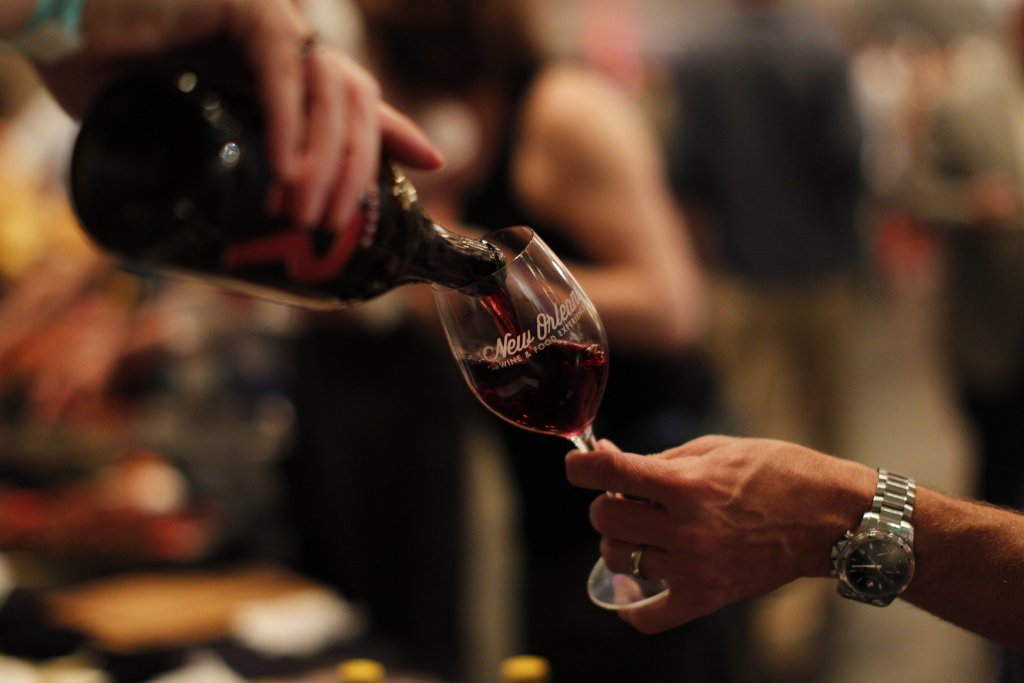
In its 34th year in 2026, the New Orleans Wine & Food Experience (NOWFE) is a smorgasbord of food and wine tastings, tours, masterclasses, and more. This year, NOWFE is held on Wednesday, June 10, through Saturday, June 13, 2026.
What Is NOWFE?
Each year, hundreds of wineries and restaurants participate, offering menus featuring local flavors and innovative new creations inspired by diverse cuisines. Top chefs from around the city create unique culinary experiences, so much so that the event regularly makes a few national “best of” festival lists.
Who Benefits From NOWFE?
The organization behind this popular event is a nonprofit that donates 100% of its proceeds to beneficiaries ranging from food banks to culinary schools. The 2025 beneficiaries were the Louisiana Restaurant Association Education Foundation, Delgado Community College Culinary Arts Program, and FirstLine School’s Edible Schoolyard Program. You can find out more about each on the NOEFE website, as well as this year’s beneficiaries once they’re announced.
NOWFE Event Highlights
You can see all the events online (and buy tickets while you are it), but here are some musts you should know about if you think of attending NOWFE.
What: Tournament of Rosés
When: Friday, June 12, 2026, 7-9:00 p.m.
Location: New Orleans Ernest M. Morial Convention Center, The Great Hall
Dress to impress and party New Orleans style at the annual Tournament of Rosés. Taste some premier rosés — both still and sparkling — from France, Spain, Italy, the United States, and South America. Enjoy tasty bites from New Orleans restaurants and tunes from a DJ.
What: The Grand Tasting
When: Saturday, June 13, 2026, 2:30-3:00 p.m. VIP, 3-6:00 p.m. general admission
Location: New Orleans Ernest N. Morial Convention Center, The Great Hall
This tasting showcases wines from around the world and food served by New Orleans chefs. You’ll get a chance to ask the winemakers and the chefs questions, learn about wine and wine pairings, and eat some seriously delicious local food. The attending restaurant list is long and an impressive who’s who of the New Orleans culinary world.
Other events include wine dinners, master classes on wine blending and crafting cocktails, parties, and much more.
You can get event tickets à la carte or in three packages (Tasting, The Connoisseur, or VIP).
Coming to NOWFE?
Check out our guide to where to stay in the French Quarter, and be sure to check out our resource for French Quarter Hotels. Also, consider booking a guided tour of St. Louis Cemetery No. 1 to experience the hauntingly beautiful past of New Orleans.
For easy, informative sightseeing, we recommend the City Sightseeing New Orleans city tour on the open-top, double-decker bus. It runs every 30 minutes through the Garden District, French Quarter, and CBD. You can hop on and off anytime!
JOIN THE NEWSLETTER!
New Orleans Pridefest
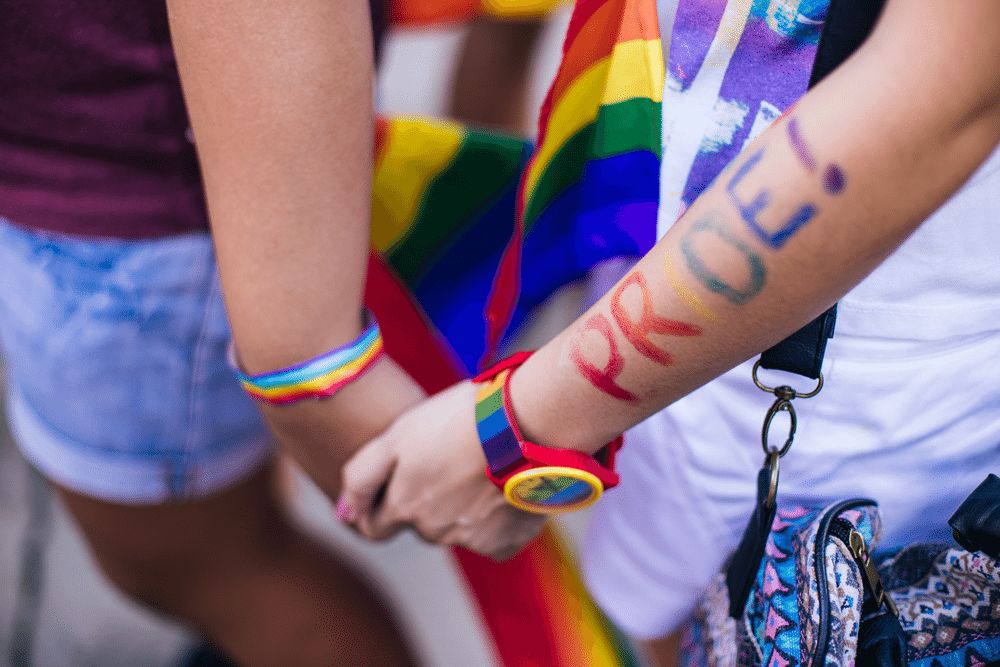
Launched in 2011, New Orleans Pridefest is a celebration of LGBTQ+ communities and their allies in New Orleans and surrounding areas (Saturday, June 13, 2026). It is the only official Pride Festival in New Orleans, the largest in Louisiana, and one of the fastest-growing Pride celebrations in the nation.
New Orleans Pridefest Event Highlights
Special events include the Pride Gala, the Pridefest block party outside the Phoenix bar on Elysian Fields in the Marigny, and the annual parade. The parade rolls through the French Quarter starting at 3 p.m.
New Orleans Black Pride Weekend is held before the New Orleans Pridefest (Thursday, June 4, through Sunday, June 7, 2026) and hosts several events that specifically celebrate queer people of color. In addition to pool and dance parties, the calendar of events also includes a welcome party.
The New Orleans Black Pride Community Festival is held on Saturday, June 6, from noon to 5 p.m. at Armstrong Park. Expect a day full of music, performances, art, food, health resources, vendors, and more.
New Orleans Pride Tickets
Pridefest, the parade, and the community festival at Armstrong Park are free to attend. Some other events might be ticketed or free but require a reservation. When planning your Pride itinerary, it’s a good idea to double-check entry fees in case you need cash on hand or tickets in advance.
Coming to New Orleans in June?
Check out our guide to where to stay in the French Quarter, and be sure to check out our resource for French Quarter Hotels. Also, consider booking a guided tour of St. Louis Cemetery No. 1 to experience the hauntingly beautiful past of New Orleans.
For easy, informative sightseeing, we recommend the City Sightseeing New Orleans city tour on the open-top, double-decker bus. It runs every 30 minutes through the Garden District, French Quarter, and CBD. You can hop on and off anytime!